
The French artist Marcel Duchamp can be considered the father of conceptual art. Life, works, style.
Here’s a precise English translation of your text:
Marcel Duchamp (Henri-Robert-Marcel Duchamp; Blainville-Crevon, 1887 – Neuilly-sur-Seine, 1968), a French painter, sculptor, and chess player who became a naturalized American citizen, is considered one of the most influential and important artists of the 20th century. It was thanks to him that conceptual art was born, originating from the idea of the so-called ready-mades—everyday objects that are decontextualized to become works of art, carefully selected by the artist himself. Sometimes, ready-mades consisted instead of interventions that altered great masterpieces of the past, as in the case of Leonardo da Vinci’s Mona Lisa.
Fountain and Bicycle Wheel are Duchamp’s two best-known ready-mades, still recognized today as works capable of subverting the artistic conventions of their time. However, ready-mades were not the only innovation that the French artist brought to the art of his era. Duchamp, in fact, had a clear vision of his own idea of art, rejecting all works that merely reproduced reality—such as those of the Impressionists—and instead favoring a more intellectual approach, one to be deciphered, effectively nullifying all the avant-garde movements that had developed over the preceding hundred years.
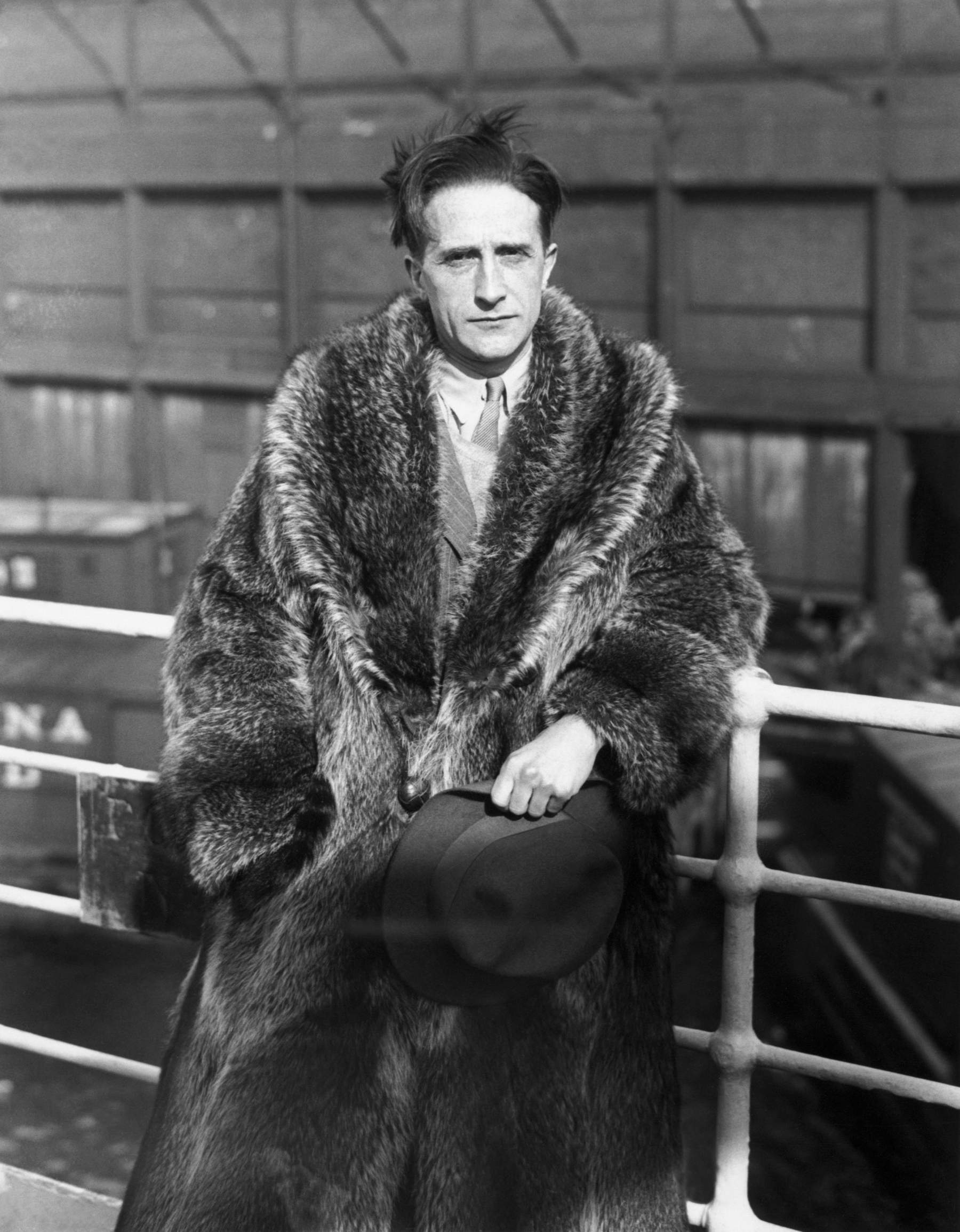
The Life of Marcel Duchamp
Marcel Duchamp was born in Blainville-Crevon, France, on July 28, 1887, to Eugène Duchamp and Lucie Nicolle (the latter being the daughter of the painter and engraver Émile Frédéric Nicolle). The couple had seven children in total, one of whom died at a very young age. Among his siblings, three also became successful artists: the painter and engraver Jacques Villon (born Émile Méry Frédéric Gaston Duchamp), the sculptor Raymond Duchamp-Villon (born Pierre-Maurice-Raymond Duchamp), and the painter Suzanne Duchamp-Crotti.
Duchamp spent a significant amount of time in the United States, particularly in New York. There, he came into contact with an artist who would prove fundamental to his personal and artistic development: the photographer and painter Man Ray. They met in 1915 and remained lifelong friends. Along with the French-Spanish painter Francis Picabia and the American photographer Alfred Stieglitz, Duchamp and Man Ray often gathered at Stieglitz’s 291 gallery, aligning themselves with a spirit akin to Dadaism. Dada was an artistic movement, particularly in the visual arts, born as a reaction to the traumatic events of World War I, promoting art that was deliberately nonsensical and defied aesthetic and ideological conventions. The movement’s very name had no meaning. Duchamp is often associated with Dada, although his involvement lasted only a few years during his youth and early career. He never officially joined, but he embraced some of the movement’s core ideas.
In 1916, Duchamp founded the Society of Independent Artists alongside patrons Katherine Dreier and Walter Arensberg. He later left the society in protest when they decided not to exhibit his work Fountain (1917), as it was not considered a piece of art.
A peculiar aspect of Duchamp’s personality was his creation of pseudonyms and alter egos, under which he signed several works. Three are particularly known, the first being a female persona named Rrose Sélavy. He deliberately sought a Jewish name to differentiate himself from Catholicism but could not find a male name that satisfied him, so he opted for a female name and assumed the role of a woman. The name is a pun that phonetically resembles the phrase “eros, c’est la vie,” and the double “r” at the beginning is intended to create a wordplay with “arroser la vie.” Wordplay was a passion of Duchamp, and he used it frequently. Another famous alter ego was R. Mutt, a variation of the name “Mott,” the company that produced the urinals he used for some of his celebrated works. The name also referenced a popular comic strip at the time, Mutt and Jeff. The “R.” stood for Richard, which contains the English word “rich,” symbolically distancing himself from poverty. Duchamp even played a prank on journalists, telling them that the pseudonym concealed a female friend dressed as a man, giving out her phone number as Mutt’s. A final known pseudonym was Marchand du sel, inspired by Duchamp’s conversations with art historian Michel Sanouillet.
The artist lived in Paris for much of his life, except for the period between 1918 and 1923, when he moved to Buenos Aires.
From 1923 onward, Duchamp gradually slowed down his artistic activity, dedicating almost ten years entirely to chess. He reached very high levels in the discipline, even becoming captain of the French team that participated in the Chess Olympiads (he took part in all editions from 1928 to 1933, achieving his best result in 1933 with eighth place). In 1942, Duchamp was in New York, where he decided to settle permanently. In 1954, he married Alexina “Teeny” Sattler Matisse, who remained by his side until the end. He died on October 2, 1968, in Neuilly-sur-Seine and was buried in the Rouen cemetery. On his tombstone, one can read an epitaph he composed himself: “D’ailleurs c’est toujours les autres qui meurent” (“After all, it’s always the others who die”).
The Style and Works of Marcel Duchamp
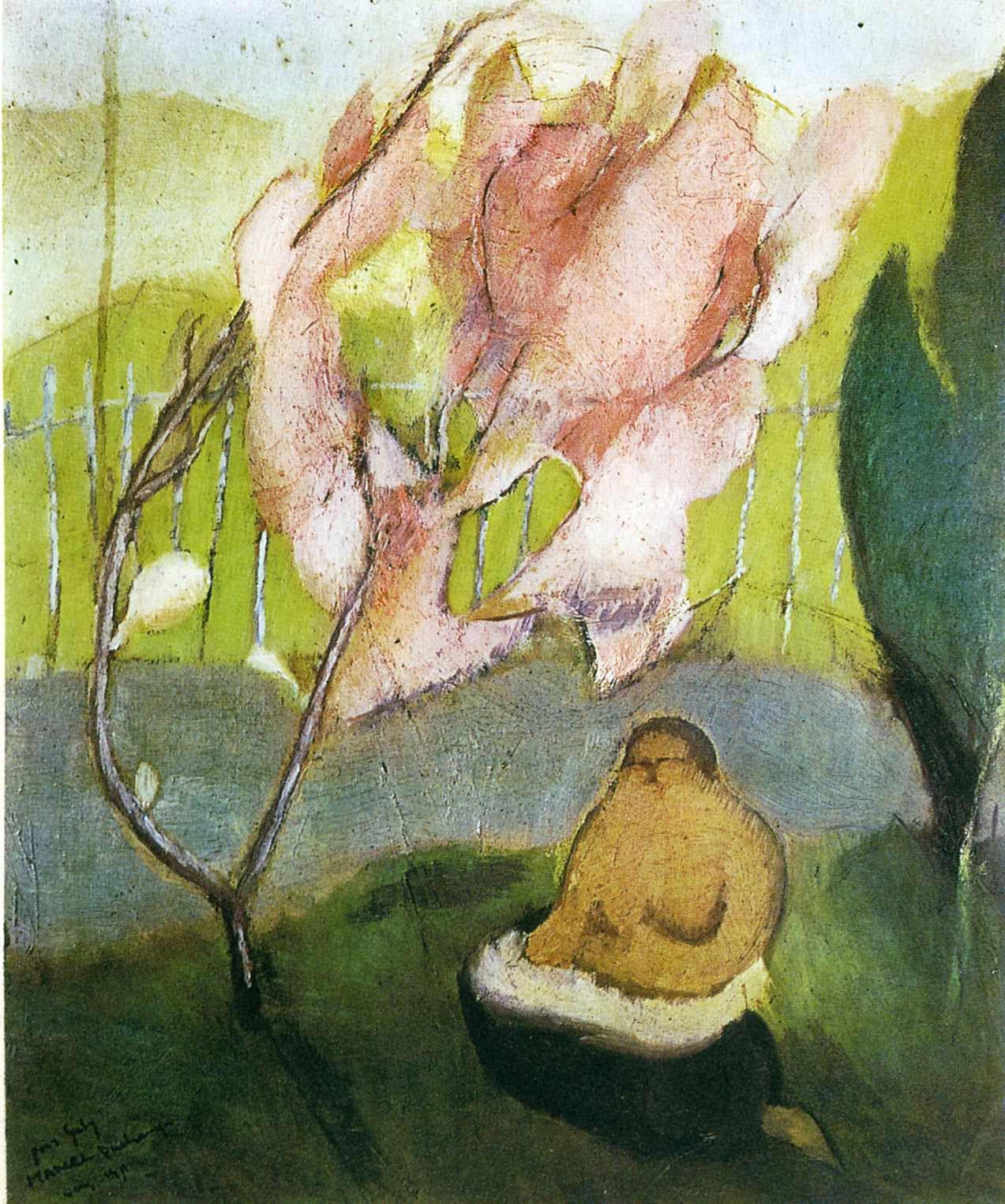
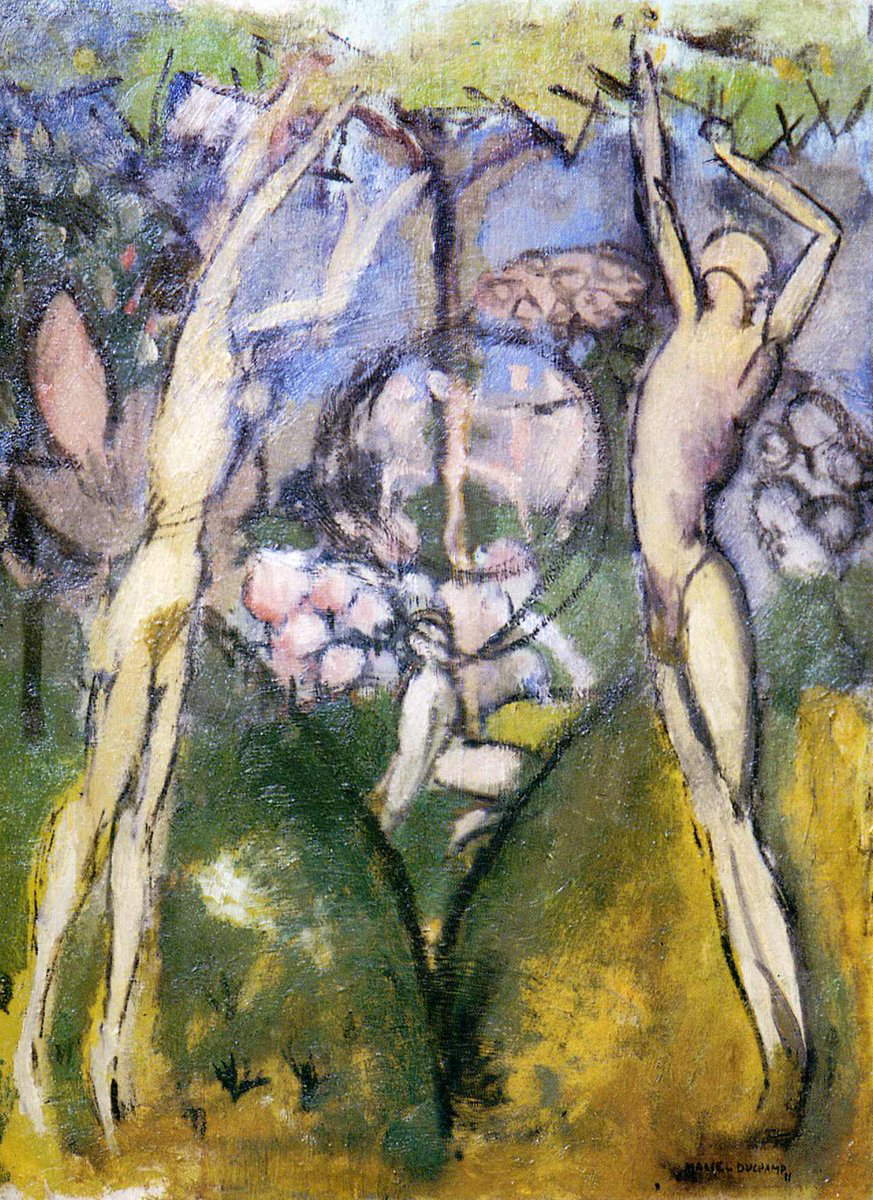
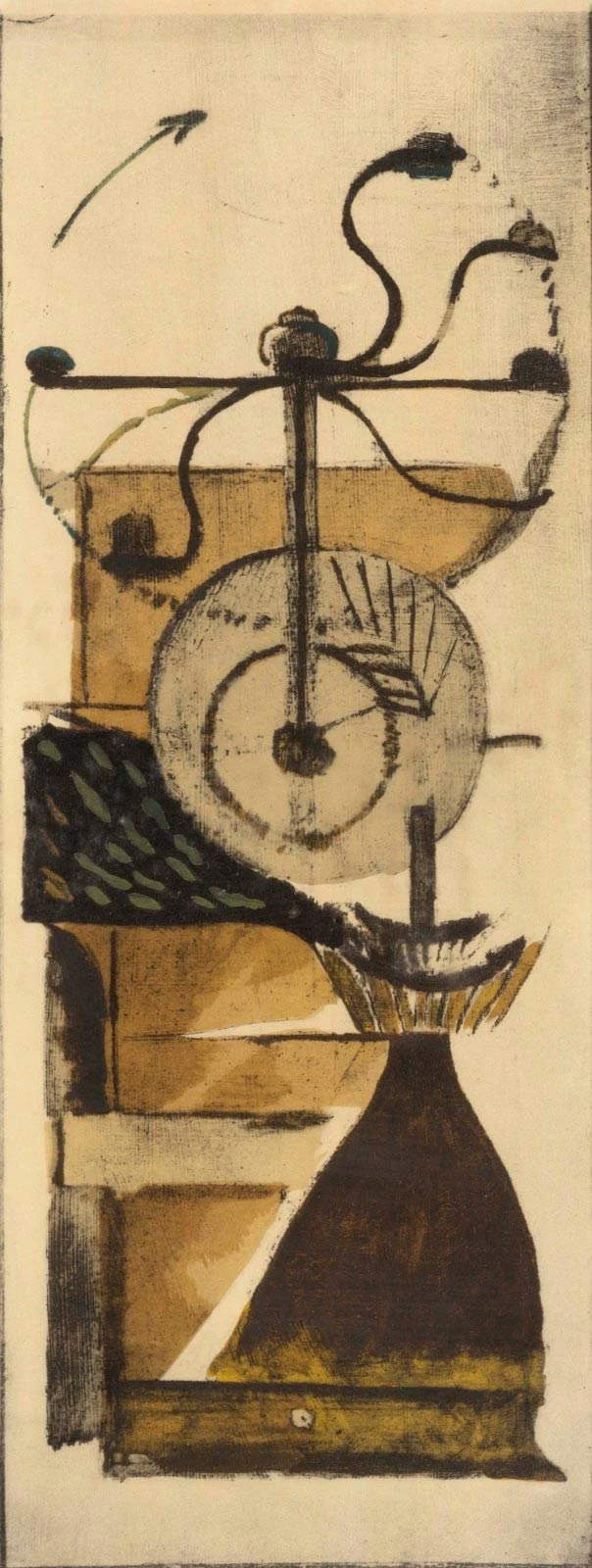
Duchamp’s early works were primarily paintings, created before 1912, totaling around fifty pieces. At that time, Duchamp was 25 years old. The inspiration for these works came from Impressionism and the Fauves, as evidenced by works such as Air Current on the Japanese Apple Tree, Youth and Maiden in Spring, and Coffee Grinder, all dated 1911. The quality of these early works was very high.
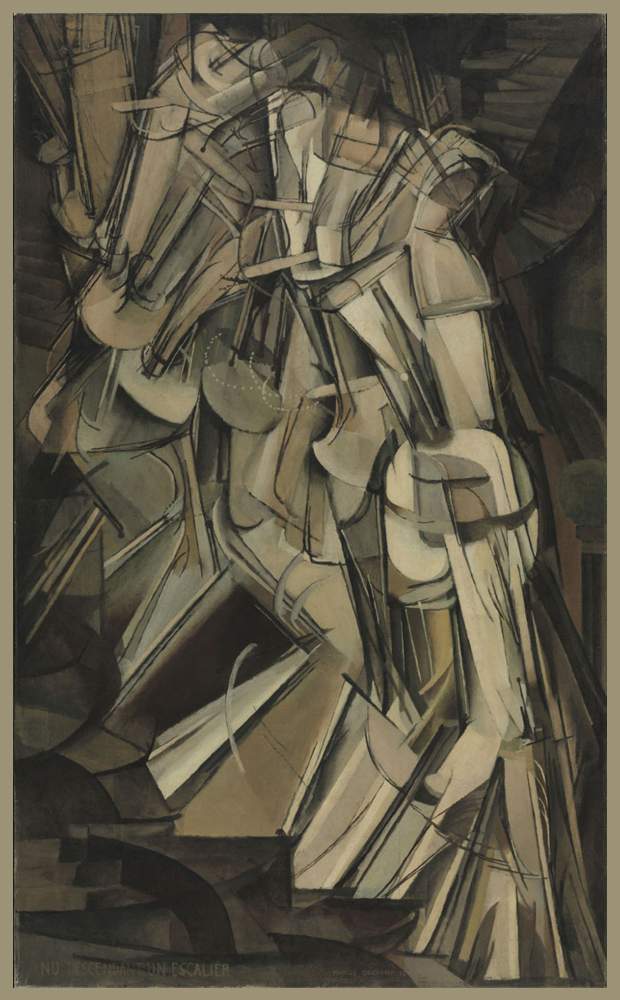
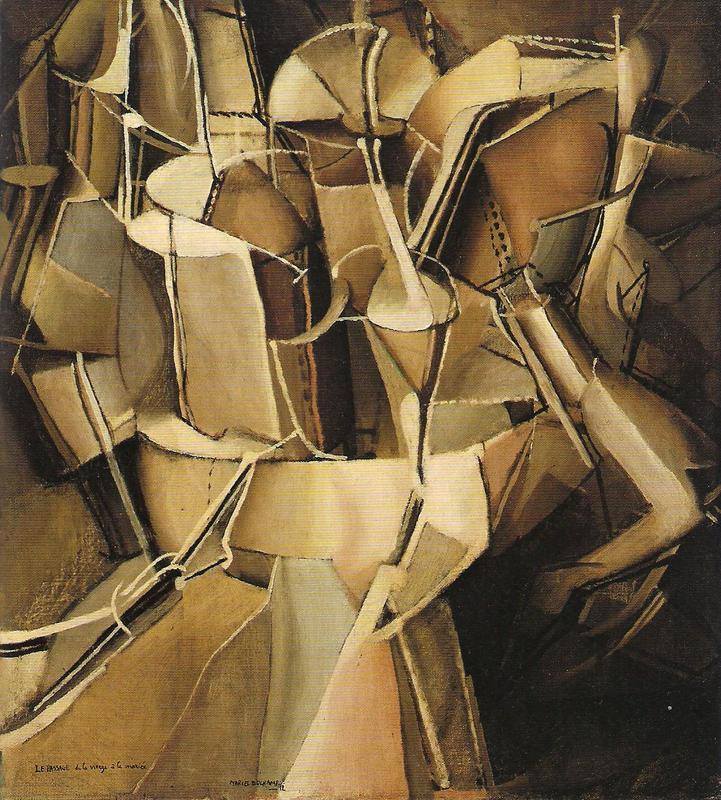
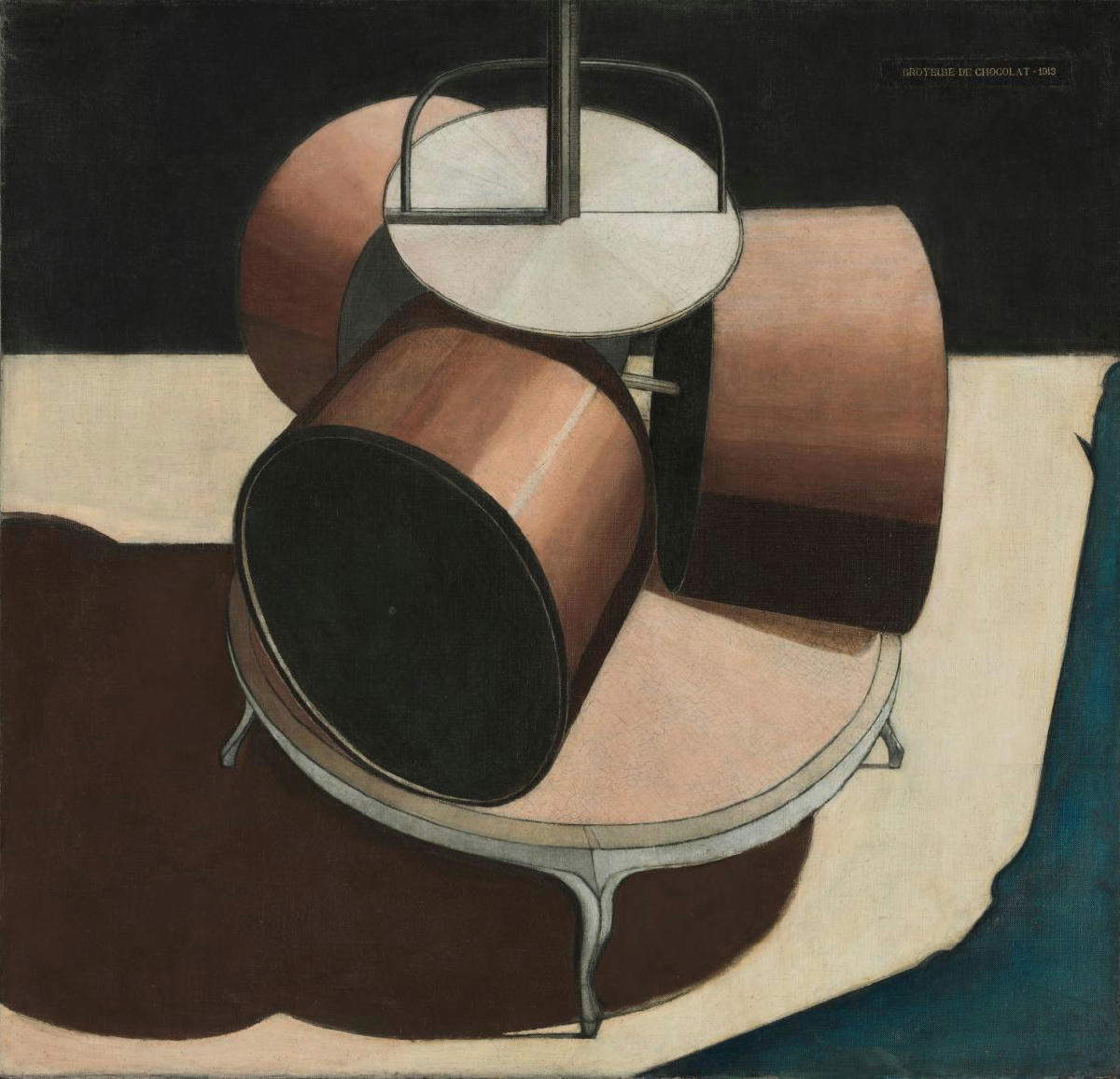
In 1912, he began painting works of a different nature that involved in-depth studies of dynamism, such as Nude Descending a Staircase No. 2, The Passage from Virgin to Bride, and Bride. These works seem influenced by Futurism; however, Duchamp had almost no contact with the movement, so the foundation of his research lies in the pioneers of chronophotography, Étienne-Jules Marey and Eadweard Muybridge. Unlike the Futurists, Duchamp was not interested in reproducing the same moment from multiple viewpoints; rather, he sought to depict movement as successive moments, one after the other, extending indefinitely. These works were rejected by the Salon des Indépendants, as there was a mistaken belief that they were mocking Cubism. Other works from this period include variations on the same theme, such as The Chocolate Grinder (1913), as well as drawings and studies for The Large Glass, the work that would later mark a turning point in Duchamp’s art.
Duchamp was an artist who consistently engaged with art critics, providing clues and suggestions for interpreting his works. He also gave numerous interviews, outlining his personal theories and beliefs about art and painting. One of his most famous statements concerned painting from previous years and centuries, which he rejected as “retinal.” By “retinal painting,” he meant all works that prioritized aesthetics over content, primarily appealing to base instincts. His words on the subject were:
“I was interested in ideas, not just visual products. I wanted to bring painting back to the service of the mind […] In fact, until a hundred years ago, all painting had been literary or religious: it had been entirely at the service of the mind. Over the past century, this characteristic was gradually lost. […] Painting should not be merely retinal or visual; it should engage the gray matter of our understanding […] The last hundred years have been retinal. Even the Cubists were retinal.”
It was in this ideological context that Duchamp developed his most famous innovation, the ready-mades. Following his conviction that art and painting should prioritize a conceptual perspective, Duchamp had the insight to select everyday objects, extract them from their context, and present them as artworks. The added value lay in the artist’s careful selection process, choosing the object most suitable to be presented as art. The first known ready-made was Bicycle Wheel (1913), which also symbolized continuity with his exploration of movement in painting. Duchamp produced several ready-mades, including the famous Fountain (1917), a urinal signed with the pseudonym R. Mutt. The work was never exhibited at the time due to reluctance to consider it art, but it was reevaluated in the 1950s and gained renewed success, with Duchamp creating copies for various museums.
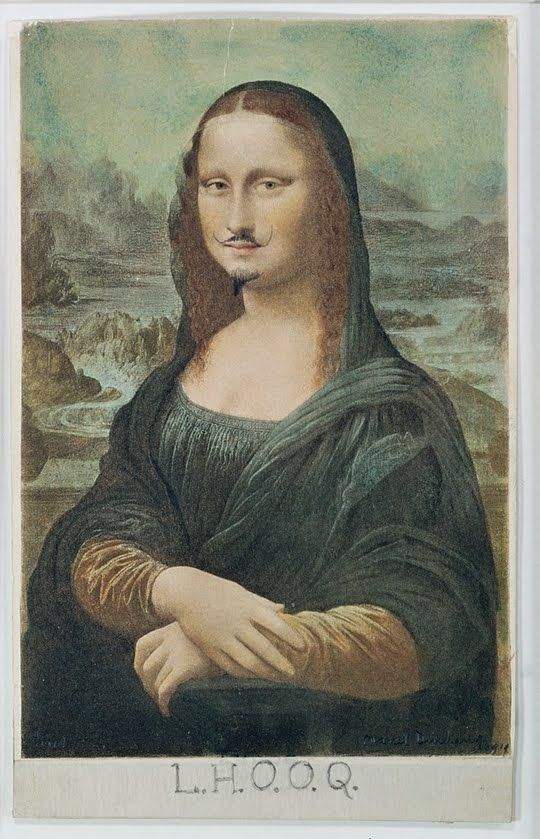
During the same period, he also experimented with another type of ready-made, which involved altering famous works. His reinterpretation of Leonardo da Vinci’s Mona Lisa is especially well known, created on a photographic reproduction of the painting with a mustache added to the upper lip, titled L.H.O.O.Q. (1919). This work has been interpreted as a manifesto against conformity, targeting one of the most universally recognized masterpieces. The intent was not to denigrate the painting or the artist but to highlight the hypocrisy of those who appreciate art only when deemed beautiful or worthy by others.
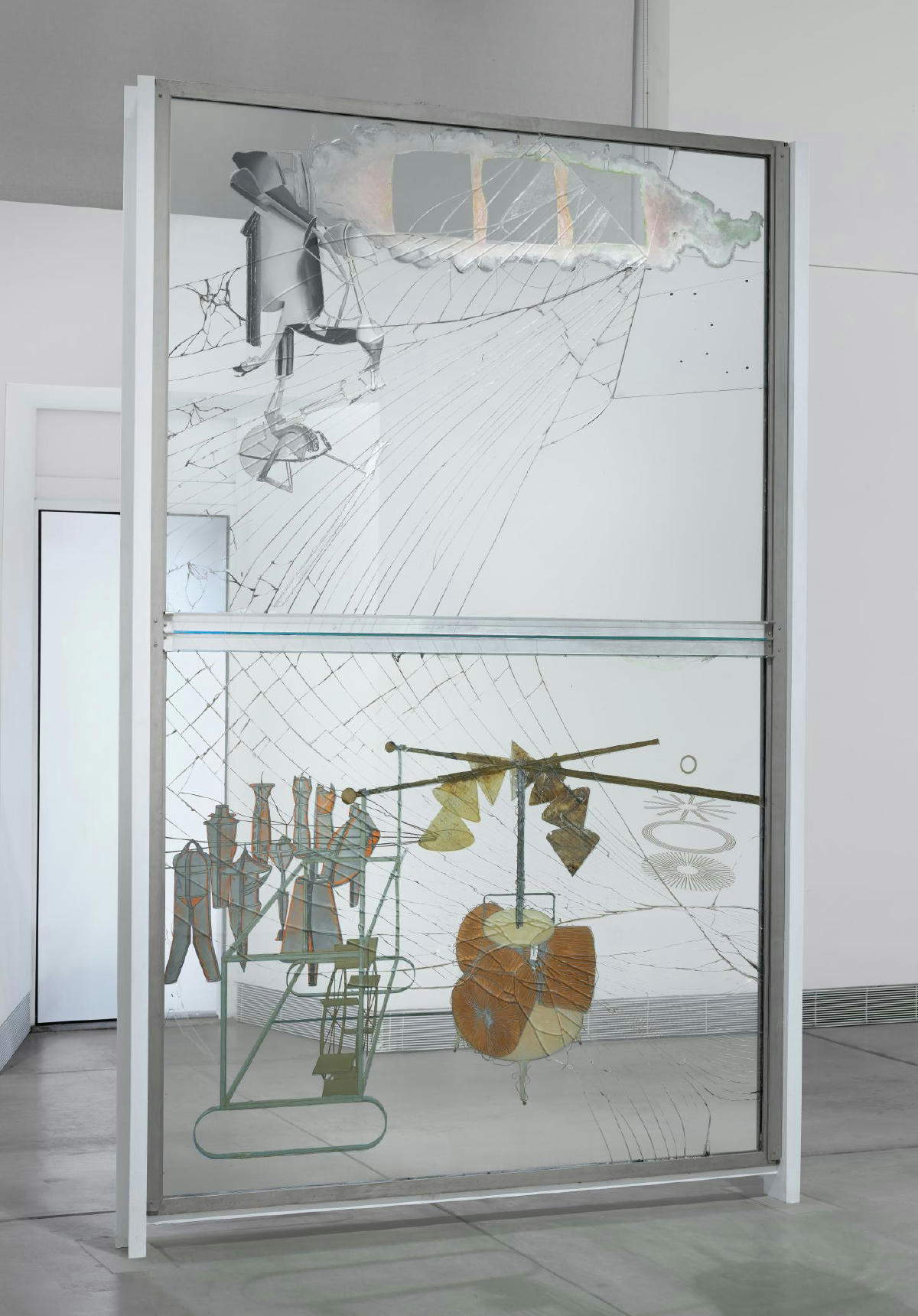
Meanwhile, Duchamp began working on another fundamental piece, The Large Glass, which he described as “the most important single work I have ever made.” He started it in 1915, initially titled The Bride Stripped Bare by Her Bachelors, Even. The work consists of two large glass panels containing dust particles, lead wires, and painted metal sheets. The upper panel has been interpreted as “the bride,” represented by a small, extremely slender element accompanied by a cloud that likely symbolizes her thoughts. The lower panel represents “the bachelors,” small black figures resembling traditional male attire, circling around a carousel. There are nine figures in total, representing various bachelor identities (Cuirassier, Gendarme, Lackey, Messenger, Watchman, Priest, Undertaker, Stationmaster, Policeman), also known as the “cemetery of liveries and uniforms.” A mechanism interpreted as a water mill, consisting of scissors, sieves, and a machine grinding something—likely chocolate, a symbol of desire—is also included.
In 1923, Duchamp deliberately left the work “permanently unfinished,” leaving one of the most debated and fascinating works of contemporary art to posterity. The piece also suffered some damage during transport, which Duchamp refused to repair, stating that it was a way of accepting the work’s identity as an inert object. He never called it a “painting,” instead referring to it as an “agricultural machine” and described it as “fun physics.”
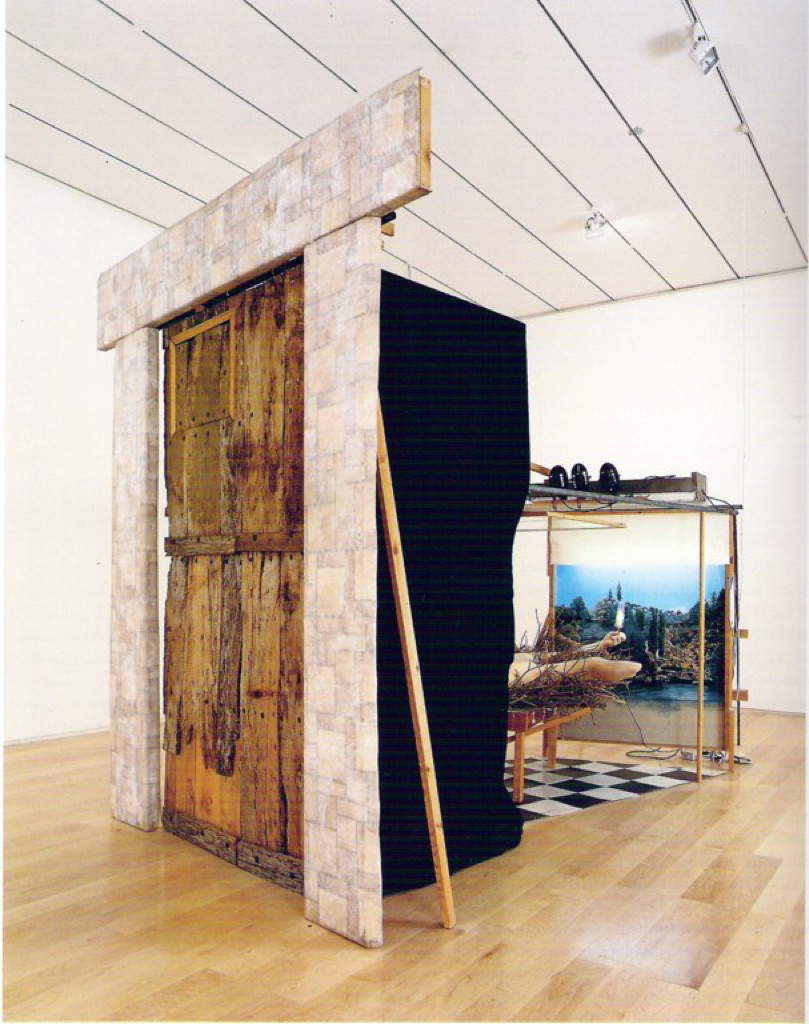
Duchamp’s final known work is Étant donnés (1969) – Given: 1. The Waterfall, 2. The Gas Lamp, a large-scale environmental installation consisting of a wooden door with two peepholes, through which viewers can see a scene of a nude female figure, crafted in flesh, holding a lit oil lamp against a natural landscape. The title derives from notes related to The Large Glass and acts as its counterpart: whereas The Large Glass contains no reality, here reality is fully present, a notable factor given Duchamp’s well-known rejection of “retinal” or realistic art. This choice was justified as a way to unite the inner world of humans with the external one.
Duchamp worked on this demanding project for over twenty years, giving the false impression that he had abandoned art to devote himself to chess. Only his wife was aware of the project. He created an instruction manual to reconstruct the work within the Philadelphia Museum, where it is still preserved. Other notable works signed under the pseudonym Rrose Sélavy include Belle Haleine – Eau de Voilette (1920), a perfume bottle; Fresh Widow (1920); and Pourquoi ne pas éternuer? (Why Not Sneeze?) (1921).
![Marcel Duchamp, Ruota di bicicletta (1913 [1951]; ruota di metallo montata su sgabello di legno dipinto, 51 x 25 x 16 cm; New York, MoMA)](https://cdn.finestresullarte.info/rivista/immagini/2022/fn/marcel-duchamp-ruota-di-bicicletta.jpg "Marcel Duchamp, Ruota di bicicletta (1913 [1951]; ruota di metallo montata su sgabello di legno dipinto, 51 x 25 x 16 cm; New York, MoMA)")
![Marcel Duchamp, Fontana (1917 [1964]; terracotta bianca ricoperta di smalto e vernice, 63 x 48 x 35 cm; Parigi, Centre Pompidou)](https://cdn.finestresullarte.info/rivista/immagini/2022/fn/duchamp-fontain-pompidou.jpg "Marcel Duchamp, Fontana (1917 [1964]; terracotta bianca ricoperta di smalto e vernice, 63 x 48 x 35 cm; Parigi, Centre Pompidou)")
Where to See the Works of Marcel Duchamp
Duchamp’s works are housed in museums across Europe and the United States, where the artist himself lived for extended periods. In Paris, at the Centre Pompidou, a renowned venue for avant-garde art, one of his most famous ready-mades, Fountain (1917), is preserved. Several well-known works by Duchamp are held at the Philadelphia Museum of Art in the United States, including Nude Descending a Staircase No. 2 (1912), The Large Glass (1915–1923), and Étant donnés (1969).
Also in the United States, Bicycle Wheel (1913) and Fresh Widow (1920) can be admired at the Museum of Modern Art (MoMA) in New York. It is also worth noting that L.H.O.O.Q. (1919) belongs to a private American collection, while Pourquoi ne pas éternuer? (1921) is housed at the Israel Museum.
In Italy, two of Duchamp’s works are part of the Peggy Guggenheim Collection in Venice (Nude, 1911–1912, and Box in a Valise, 1941), while Youth and Maiden in Spring (1911) is preserved in the Arturo Schwarz Collection in Milan. Several works from this collection, along with other celebrated masterpieces, were showcased in a major exhibition held in Rome at the GNAM – Galleria Nazionale d’Arte Moderna in 2013, celebrating the centenary of the first-ever ready-made.
Informazioni sull'autore


